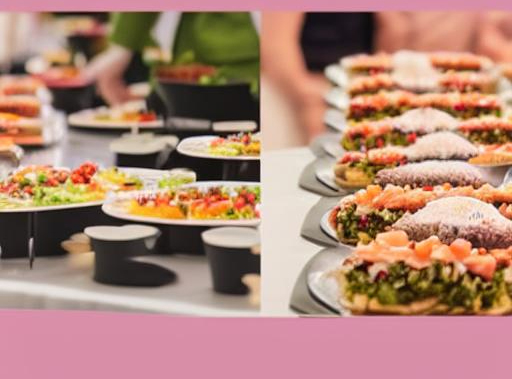
The Difference Between Regular Catering and Event Catering: A Culinary Journey Through Events
Introduction:
Catering is an essential component of any event. Whether it's a private celebration, a corporate gathering, or a large public event, the culinary experience plays a crucial role. However, when selecting a catering service, organizers are often faced with the question: What is the difference between regular catering and event catering? In this article, we will delve into this question and illuminate the distinctions between these two types of catering.
Occasion and Guests:
The first difference between regular catering and event catering lies in the occasion and the guests of the event. Regular catering typically focuses on smaller events such as private parties, weddings, or small business meetings. The number of guests is limited, and the main focus is on providing high-quality food and beverages.
On the other hand, event catering refers to larger gatherings such as conferences, exhibitions, galas, or music festivals. Here, hundreds or even thousands of guests often come together. Event catering must be able to cater to large crowds while providing a gastronomic experience that meets high expectations.
Planning and Logistics:
Regular catering can often be relatively straightforward to plan. The menu selection, number of guests, and venue are predetermined. The logistical requirements are manageable, as the delivery of food and beverages to the venue is usually uncomplicated.
In contrast, event catering requires a more comprehensive approach to planning and logistics. The catering company must coordinate with the organizer on space layout, seating arrangements, provision of kitchen infrastructure, compliance with safety regulations, and possible time constraints. Transportation of large quantities of food and efficient distribution at multiple catering stations are also part of the challenges.
Diversity of Offerings:
Regular catering often emphasizes a wide selection of high-quality food and beverages that appeal to individual guest tastes. Menus are predetermined, and dishes can be customized according to the clients' preferences.
Event catering, however, offers a greater variety of culinary experiences. It may include various catering stations, live cooking areas, and interactive food stations that allow guests to customize their meals as they please. The presentation of food also plays a significant role as it helps enhance the ambiance of the event and provides guests with an unforgettable experience.
Staff and Service Quality:
Regular catering typically involves personnel such as chefs, waitstaff, and event managers who ensure the smooth running of the event. The service is professional and tailored to the guests' needs.
In contrast, event catering requires a larger team to meet the demands of a large-scale event. In addition to chefs and waitstaff, this may include logistics personnel, security staff, and event managers. Service quality must be maintained at a high level, as customer satisfaction is crucial at such events.
Budget and Pricing:
Regular catering often offers various price ranges depending on the chosen food and beverages. Costs are determined by the number of guests and the specific requirements of the event.
Event catering, on the other hand, typically requires a higher budget. The larger quantities of food, more complex logistics, and additional services make it more expensive than regular catering. Contracts and agreements are often required in advance for event catering to meet the specific requirements of the event.
Conclusion:
Both regular catering and event catering play important roles in fulfilling the culinary needs of events. While regular catering focuses on smaller, intimate gatherings, event catering pertains to large-scale events with many guests. The planning, logistics, diversity of offerings, staff and service quality, as well as budget, differ between the two types of catering. The choice of the right catering service ultimately depends on the type of event and the individual needs of the organizer.